Tra Que Vegetable Village – Discover the Agricultural Heritage of Hoi An
Just a few kilometers from the lantern-lit streets of Hoi An Ancient Town, a completely different side of Central Vietnam begins to unfold. Instead of busy roads and historic yellow houses, you will find quiet paths, fragrant herbs, green vegetable gardens, narrow waterways, and farmers working patiently in the fields.
Welcome to Tra Que Vegetable Village, one of the most fascinating rural destinations in the Hoi An area. More than simply a place to grow vegetables, Tra Que represents generations of agricultural knowledge, sustainable farming traditions, and the close relationship between local people and the land.
For travelers who want to experience Hoi An beyond the Ancient Town, a visit to Tra Que is a wonderful opportunity to slow down, meet local farmers, get your hands dirty, and discover how fresh ingredients become some of Vietnam’s most memorable dishes.
For any further information about Hoi An tours, please get in touch with the hotline 0916528884 (Ms Tina)

History of Tra Que Vegetable Village
The story of Tra Que stretches back several centuries. Historically associated with the name Nhu Que, the village gradually became known as Tra Que, a name connected with the aromatic herbs cultivated in the area.
According to local stories, the herbs and vegetables grown here became highly valued because of their distinctive fragrance and flavor. Some were reportedly selected as special offerings for the Nguyen royal court. Whether you come for the history, the food, or simply the peaceful countryside scenery, this agricultural heritage remains an important part of Hoi An’s identity.
Today, walking through Tra Que gives visitors a chance to see how old agricultural traditions continue to live alongside modern tourism. The village has changed over time, but many of its farming techniques remain deeply rooted in local customs.
See more details >>> Tra Que Vegetable Village Cooking Class and Local Market Tour.
Why Is Tra Que Perfect for Growing Vegetables?
One of the secrets behind Tra Que’s reputation is its natural setting. The village lies between the De Vong River and the Tra Que lagoon, creating an environment well suited to cultivating herbs and vegetables.
The soil benefits from fertile river sediments, while the surrounding waterways provide important sources of moisture. Local farmers have spent generations learning how to work with these natural conditions rather than fighting against them.
As you walk around the gardens, you may see rows of lettuce, basil, coriander, mint, morning glory, perilla, Vietnamese mint, and other familiar ingredients used in everyday Vietnamese cooking.
These fresh ingredients are not only important to local households. Restaurants and markets around Hoi An also rely on produce from the surrounding farming communities, helping connect Tra Que’s agricultural traditions with the city’s famous food culture.
The Traditional Organic Farming Methods of Tra Que
One of the most interesting things about Tra Que Vegetable Village is its long-standing approach to sustainable farming. The idea of growing food naturally is not a recent trend here. Local farmers have practiced environmentally conscious cultivation techniques for generations.
Instead of depending heavily on chemical fertilizers, farmers traditionally use organic materials and seaweed collected from the nearby lagoon. This natural fertilizer helps improve the soil while supporting healthy vegetable growth.
Many visitors are surprised to discover that such simple farming practices can contribute to the fresh aroma and flavor associated with Tra Que produce. The vegetables often become one of the most memorable parts of a meal during a countryside experience.
This traditional approach is also one reason why the village has become closely associated with Tra Que cooking class experiences. Travelers can learn about the ingredients directly in the gardens before using them to prepare Vietnamese dishes.
Tra Que Vegetable Village During Difficult Times
Tra Que’s peaceful appearance today hides a history marked by considerable hardship. Like many communities in Central Vietnam, the village experienced serious disruption and destruction during the Vietnam War.
Families were displaced, farms were damaged, and agricultural life became extremely difficult. Yet after the war, local residents returned and gradually rebuilt their homes, gardens, and livelihoods.
The recovery of Tra Que was not simply about rebuilding vegetable fields. It was also about protecting knowledge passed down from older generations. Farming methods, planting techniques, and knowledge of local herbs continued to be shared within families.
That resilience is part of what makes a visit to Tra Que more meaningful. The green gardens you see today are the result of generations of patience, hard work, and determination.
Tra Que Today: Where Farming Meets Hoi An Tourism
Over the years, Tra Que has developed into one of the most popular countryside attractions near Hoi An. However, it still feels very different from a conventional tourist attraction.
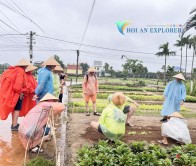
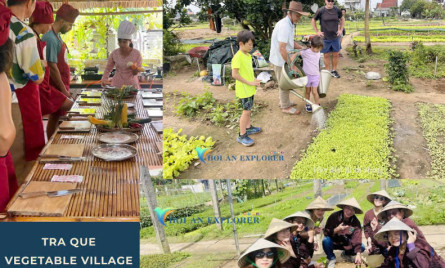
Visitors do not simply arrive, take a few photographs, and leave. Many experiences invite travelers to participate in everyday rural activities. You may plant herbs, prepare soil, water vegetables using traditional tools, or learn how local farmers maintain their gardens.
For travelers looking for an authentic cultural activity, this hands-on approach offers a refreshing contrast to sightseeing in the Ancient Town.
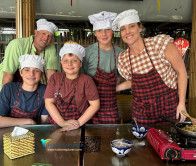
It is also possible to combine the village visit with a Hoi An cooking class. After exploring the gardens and learning about local ingredients, you can head into the kitchen and discover how Vietnamese families turn simple fresh produce into flavorful dishes.
Join a Tra Que Cooking Class and Cook with Fresh Ingredients
Food is at the heart of the Tra Que experience. Rather than simply tasting Vietnamese cuisine in a restaurant, a cooking class allows you to understand where the ingredients come from and how they are prepared.
A typical experience may begin with a walk through the vegetable gardens. Your local guide or farmer introduces different herbs and vegetables while explaining how they are grown. From there, you can take part in basic farming activities before moving into the cooking area.
Depending on the program, you may learn how to prepare popular Vietnamese dishes such as fresh spring rolls, Vietnamese pancakes, noodle dishes, salads, or traditional family-style recipes.
For plant-based travelers, a Hoi An Vegetarian Cooking Class can be an especially enjoyable way to explore the flavors of Central Vietnam while focusing on fresh vegetables and herbs.
Tra Que Cooking Class or Cam Thanh Cooking Class?
Travelers often compare a Hoi An cooking class in Tra Que with a Cam Thanh cooking class. Both provide an excellent introduction to Vietnamese cuisine, but the atmosphere is different.
Tra Que is particularly attractive if you are interested in farming, herbs, vegetable gardens, and the agricultural side of Hoi An. Cam Thanh, meanwhile, is famous for its coconut-palm landscape, waterways, fishing traditions, and basket boat experiences.
If you have enough time, combining countryside activities in both areas can create a much broader picture of life around Hoi An.
Experience a Tra Que Vegetable Village Farming Tour
If cooking is not your main interest, you can still enjoy the countryside through a Hoi An farming tour.
These experiences are ideal for travelers who want to step away from busy sightseeing schedules. Instead of rushing between attractions, you spend time outdoors and learn about the daily work that supports Hoi An’s food culture.
You may discover how farmers prepare the soil, plant vegetables, water crops, harvest herbs, and maintain the gardens throughout the growing season. It is a simple experience, but that is exactly what makes it memorable.
Try the Hoi An Buffalo Riding and Wet Rice Experience
For an even more hands-on countryside adventure, consider the Hoi An Buffalo Riding – Wet Rice Tour and Cooking Class.
This experience introduces visitors to another important part of traditional Vietnamese agriculture. Riding or interacting with a water buffalo, walking through rice fields, and learning how farmers work the land can give you a completely different perspective on rural life.
Combined with a cooking session, the experience creates a natural connection between farm, field, kitchen, and dining table.
Explore Tra Que and Discover Hoi An’s Food Culture
One of the best ways to understand Vietnamese cuisine is to follow its ingredients back to their source. In Tra Que, you can see the herbs and vegetables that later appear on restaurant tables throughout Hoi An.
This connection between farming and food is especially important in Central Vietnam, where fresh herbs are essential to many traditional dishes.
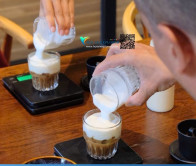
After visiting the village, consider continuing your culinary adventure with a Hoi An coffee class. Vietnamese coffee has its own distinctive preparation methods and flavor profile, making it another enjoyable way to explore local food culture.
More Experiences to Add to Your Hoi An Itinerary
Tra Que is easy to combine with other Hoi An experiences. After a morning in the countryside, you can return to the Ancient Town for sightseeing, sample local specialties, or enjoy an evening on the Thu Bon River.
For travelers celebrating a birthday, reunion, or special occasion, a Hoi An wooden boat party tour offers a relaxed way to enjoy the river after sunset.
You can also explore other countryside communities around Hoi An, where traditional crafts, fishing, farming, and family-run workshops provide further insight into local life.
What Makes Tra Que Vegetable Village Special?
There are many beautiful places around Hoi An, but Tra Que stands out because it connects several important parts of Vietnamese culture in one small area.
- Agricultural heritage: Discover traditional farming methods that have been preserved for generations.
- Organic cultivation: Learn how local farmers use natural resources, including seaweed-based fertilizer.
- Fresh ingredients: See the herbs and vegetables that contribute to Hoi An’s distinctive cuisine.
- Hands-on experiences: Take part in farming, gardening, harvesting, and cooking activities.
- Local interaction: Meet farmers and learn directly from people who continue these traditions today.
- Peaceful countryside: Enjoy a quiet green landscape only a short journey from Hoi An Ancient Town.
Best Way to Experience Tra Que Vegetable Village
For first-time visitors, joining a guided countryside or cooking experience is often the easiest option. A local guide can explain the history of the village, introduce different herbs, arrange farming activities, and help you understand the cultural meaning behind what you are seeing.
A morning visit is particularly pleasant because the countryside is cooler and farmers are often busy with their daily work. If you are combining the village with a cooking class, allow several hours rather than rushing through the experience.
Wear comfortable clothing and shoes that you do not mind getting a little muddy. A hat, sunscreen, drinking water, and insect repellent can also make your visit more comfortable, especially during warmer months.
Tra Que Vegetable Village: A Living Agricultural Heritage
Tra Que Vegetable Village is much more than a green patch of farmland outside Hoi An. It is a living example of how traditional knowledge, sustainable agriculture, food culture, and community life can exist together.
The village has survived periods of hardship and continues to adapt to modern tourism without losing its agricultural character. Its gardens provide food for local families, ingredients for Hoi An’s kitchens, and memorable experiences for travelers.
Whether you join a Hoi An cooking class, explore the countryside on a Hoi An farming tour, try a Cam Thanh cooking class, or choose a dedicated Tra Que cooking class, the experience gives you something that ordinary sightseeing cannot: a closer connection with the people, ingredients, and traditions behind Hoi An’s famous food culture.
Take your time, talk with the farmers, breathe in the scent of fresh herbs, and enjoy the simple beauty of the gardens. In Tra Que, the story of Hoi An is not only written in old buildings and historic streets. It is also growing quietly in the fields.
YOU MAY LIKE IT
Nighttime Tra Que Cooking Class – A Magical Vietnamese Culinary Experience Under the Stars
When the sun begins to disappear behind the countryside around Hoi An, Tra Que Vegetable Village takes on a completely different atmosphere. The gardens become quieter, the air feels cooler,...