Cam Thanh vs. Tra Que Cooking Class – Which Hoi An Cooking Experience Is Best?
When it comes to learning Vietnamese cuisine in Hoi An, two countryside destinations regularly stand out: Cam Thanh Coconut Village and Tra Que Vegetable Village.
Both offer much more than a simple cooking lesson. You can meet local people, discover where ingredients come from, work with traditional recipes, and enjoy a meal that you have prepared yourself. The difference is the setting and the activities surrounding the kitchen.
So, should you choose a Hoi An cooking class in Cam Thanh or head to Tra Que for a farm-to-table experience? Here is a practical comparison to help you decide.
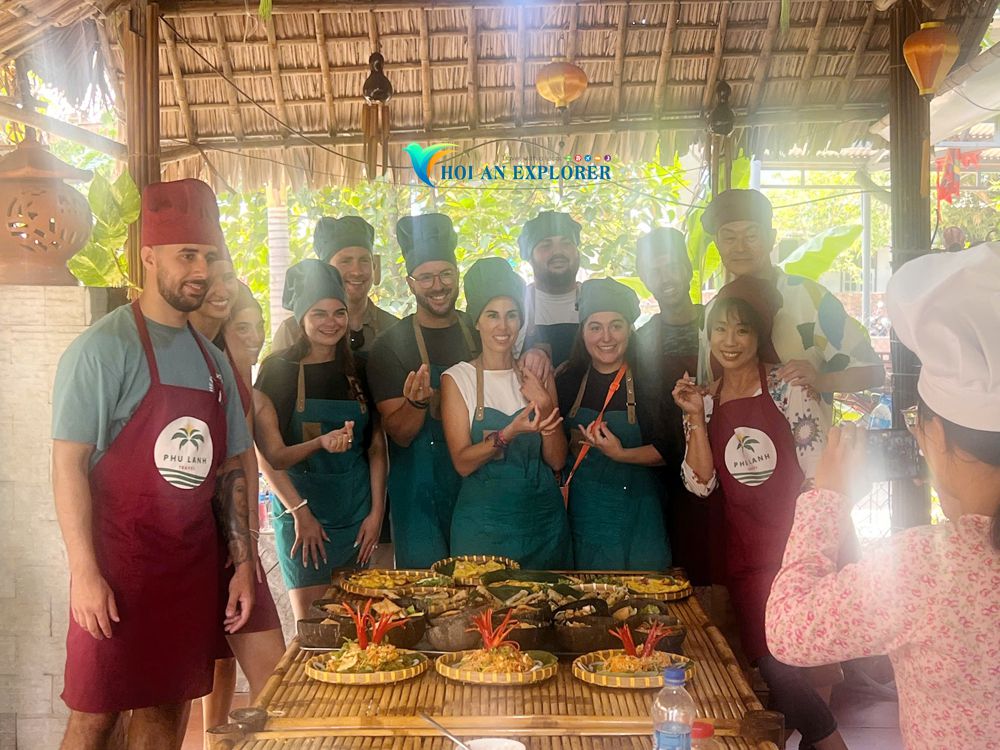
Wet Rice Growing – Riding Buffalo And Plowing Farm At Cam Thanh Hoi An
For any further information about Hoi An Explorer, please get in touch with 0916528884 (Ms Tina )
Why Take a Cooking Class in Hoi An?
Vietnamese food is deeply connected to the country’s landscapes, markets, farming traditions, and family life. A cooking class gives you the chance to experience that connection instead of simply ordering a dish from a restaurant menu.
In Hoi An, this becomes even more interesting because many cooking classes take place outside the Ancient Town. You can leave the busy streets behind and spend a few hours in villages surrounded by rice fields, vegetable gardens, waterways, and coconut palms.
Depending on the class you choose, your day may include shopping at a local market, harvesting herbs, preparing ingredients, learning traditional cooking techniques, taking a basket boat through the water coconut forest, or enjoying lunch with your hosts.
Cam Thanh Cooking Class: Food, Water Coconut Forests and Village Life
A Cam Thanh cooking class is a great choice for travelers who want their culinary experience mixed with outdoor activities and local village culture.
Cam Thanh is famous for its water coconut ecosystem, peaceful waterways, and traditional basket boats. This natural setting gives cooking classes here a distinctly different atmosphere from those held in the middle of town.
What Is the Main Focus of a Cam Thanh Cooking Class?
Cam Thanh classes generally highlight Central Vietnamese cooking and fresh local ingredients. Depending on the program, you may learn how to prepare dishes such as Vietnamese pancakes, fresh spring rolls, noodles, salads, or other regional specialties.
Seafood and locally sourced ingredients can also feature in some programs, reflecting Hoi An’s close relationship with both the coast and countryside.
More Than Just Cooking
The biggest attraction of Cam Thanh is that cooking is often only part of the experience.
A typical program may combine a market visit with a basket boat ride through the water coconut forest before moving into the kitchen. You may also have opportunities to meet local fishermen or learn about traditional ways of making a living in the village.
For travelers who do not want to spend several hours sitting indoors, this combination of cooking and outdoor exploration can be a major advantage.
The Atmosphere in Cam Thanh
Expect a relaxed countryside setting rather than a formal culinary school environment. Some classes take place in local homes, gardens, or purpose-built village cooking spaces.
The surroundings are part of the attraction. You can hear birds, see coconut palms, watch local boats moving along the waterways, and enjoy a slower rhythm than in central Hoi An.
Tra Que Cooking Class: From Vegetable Garden to Vietnamese Table
If fresh herbs, farming, and sustainable agriculture are what interest you most, a Tra Que cooking class may be the better match.
Tra Que Vegetable Village is famous for its long-standing agricultural traditions and the fresh herbs and vegetables grown by local farming families. The village is particularly appealing to travelers who want to understand the ingredients behind Vietnamese cuisine.
What Is Special About a Tra Que Cooking Class?
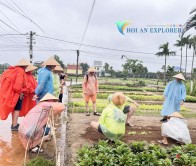
The experience often begins before you enter the kitchen. Instead of simply receiving a basket of ingredients, you may have the opportunity to walk through the vegetable gardens and learn how local farmers cultivate herbs and produce.
Depending on the program, visitors may participate in simple farming activities before moving on to food preparation and cooking.
Learn About Vietnamese Herbs
Fresh herbs are an essential part of Vietnamese cuisine. They provide fragrance, texture, color, and balance to many dishes.
At Tra Que, you can see these ingredients growing in the soil rather than encountering them only after they have reached your plate. This makes the cooking lesson feel more connected to the land and the people who work it.
A Farm-to-Table Experience
Tra Que is ideal for travelers who enjoy the idea of knowing where their food comes from. The combination of gardening and cooking creates a simple farm-to-table story: meet the farmers, explore the ingredients, prepare the food, and sit down to eat.
For families, this can also be an enjoyable educational activity because children can see how vegetables and herbs are cultivated rather than simply seeing them packaged in a supermarket.
Cam Thanh vs. Tra Que Cooking Class: Key Differences
| The key differences: | ||
| Feature | Cam Thanh | Tra Que |
| Primary Focus | Seafood & Central Vietnamese Cuisine | Organic Farming & Traditional Vietnamese Cuisine |
| Setting | Family homes, gardens | Cooking schools, restaurants |
| Key Experiences | Basket boat trips, market tours | Farming activities, herb garden tours |
| Ambiance | Rustic, tranquil | Agricultural, educational |
| Typical Dishes | Mì Quảng, Cao Lầu, seafood specialties | Banh Xeo, spring rolls, herb-focused dishes |
Which Hoi An Cooking Class Should You Choose?
There is no single winner because the two experiences appeal to different types of travelers.
Choose Cam Thanh If You Want Adventure
Cam Thanh is a strong choice if you want your cooking class to feel like a half-day adventure. The combination of waterways, coconut palms, basket boats, local communities, and Vietnamese food creates a varied experience.
It is particularly suitable for travelers who want plenty of photographs and activities rather than a cooking lesson alone.
Choose Tra Que If You Love Farming and Fresh Ingredients
Tra Que is ideal if your interest begins with the ingredients themselves. Walking through the gardens and learning about local farming gives you a better understanding of the herbs and vegetables used in Vietnamese cooking.
If you enjoy slow travel, gardening, food culture, or sustainable tourism, this experience may feel more meaningful.
Choose Cam Thanh for a More Active Family Experience
Families often appreciate activities that keep children interested. A basket boat ride, village exploration, and cooking session can provide plenty of variety.
Tra Que is also family-friendly, particularly for children who enjoy getting involved with plants, soil, and hands-on activities. The better choice depends on whether your children are more excited about boats or farming.
Choose Tra Que for a Farm-to-Table Experience
If your idea of a perfect cooking class starts with freshly harvested herbs and vegetables, Tra Que has a natural advantage.
The village allows you to connect the ingredients on your plate with the land where they are grown. It is a simple idea, but it makes the cooking experience feel much more authentic.
What Dishes Might You Learn to Cook?
The exact menu depends on the individual class, season, and availability of ingredients. However, Hoi An cooking programs commonly feature familiar Vietnamese favorites.
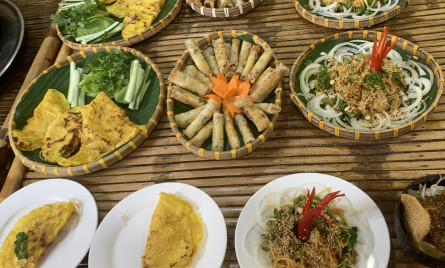
- Banh Xeo: A crispy Vietnamese savory pancake often served with herbs and dipping sauce.
- Fresh spring rolls: Rice paper rolls filled with vegetables, herbs, noodles, and other ingredients.
- Mi Quang: A Central Vietnamese noodle dish known for its flavorful broth, noodles, herbs, and toppings.
- Cao Lau: A signature Hoi An noodle dish with a distinctive local character.
- Herb-based dishes: Fresh Vietnamese herbs and vegetables often play an important role in the meal.
Rather than choosing a class only because of its menu, consider the entire program. The market, farm, basket boat, cooking lesson, and shared meal are often just as memorable as the dishes themselves.
Can You Combine Cooking With Other Hoi An Experiences?
Absolutely. One of the best things about booking a countryside cooking experience is the opportunity to build a more complete Hoi An itinerary around it.
Try a Hoi An Farming Tour
If you are particularly interested in rural life, consider adding a Hoi An farming tour. It can give you a closer look at traditional agricultural practices and the everyday rhythm of villages outside the Ancient Town.
Experience Buffalo Riding and Rice Farming
For something more unusual, the Hoi An Buffalo Riding – Wet Rice Tour and Cooking Class combines rural activities with food. It offers a different perspective on the agricultural traditions behind Vietnamese cuisine.
Try a Vegetarian Cooking Class
Plant-based travelers are not left out. A Hoi An Vegetarian Cooking Class can introduce you to Vietnamese flavors through vegetables, herbs, tofu, noodles, and other plant-based ingredients.
Explore Vietnamese Coffee
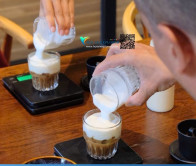
After cooking, continue your culinary exploration with a Hoi An coffee class. Vietnamese coffee culture is an important part of everyday life, and learning how local coffee is prepared can be a fun addition to your food-focused itinerary.
Tips for Choosing the Right Hoi An Cooking Class
Check What Is Included
Not every cooking class follows the same schedule. Before booking, check whether transportation, market visits, farming activities, basket boat rides, ingredients, drinks, and the final meal are included.
Consider Your Travel Style
Do you prefer a peaceful garden, an active countryside adventure, or a hands-on agricultural experience? Choosing according to your travel style is often more useful than simply looking for the cheapest class.
Ask About Dietary Requirements
If you are vegetarian, vegan, allergic to certain ingredients, or have other dietary restrictions, tell the organizer before the class. This gives the cooking team time to prepare suitable ingredients.
Check the Group Size
A small group can provide more opportunities to interact with the instructor and receive individual help. Larger classes can be more social and energetic. Decide which atmosphere suits you best.
Cam Thanh or Tra Que: Which One Wins?
Choose Cam Thanh if your ideal Hoi An cooking class includes coconut forests, basket boats, village scenery, market experiences, and a little adventure alongside Vietnamese food.
Choose Tra Que if you would rather explore vegetable gardens, traditional farming, fresh herbs, and the connection between agriculture and Vietnamese cuisine.
Both locations offer something special, and neither needs to be treated as simply a cooking lesson. They are opportunities to step away from the Ancient Town and experience another side of Hoi An through food, nature, and local communities.
Final Thoughts: Your Perfect Hoi An Cooking Experience
Choosing between a Cam Thanh cooking class and a Tra Que cooking class ultimately comes down to what you want to remember after your trip.
If you picture yourself floating through a peaceful water coconut forest before preparing a Vietnamese meal, Cam Thanh could be the perfect fit. If you imagine walking through green vegetable gardens, learning about local herbs, and cooking with ingredients grown nearby, Tra Que may be more your style.
And if you have enough time, why choose only one? Experiencing both areas gives you two different perspectives on Hoi An’s countryside and culinary traditions.
Whichever you choose, bring an appetite, wear comfortable clothes, and be ready to get your hands involved. In Hoi An, the most memorable cooking lessons often begin long before the first dish reaches the table.
YOU MAY LIKE IT
Cam Thanh Cooking Class in Hoi An – A Delicious Journey Into Vietnamese Cuisine
If you want to experience Hoi An beyond its lantern-lit streets and historic buildings, a Cam Thanh Cooking Class is a wonderful place to start. Located in the peaceful countryside of Hoi...