Tra Que Cooking Class Hoi An – Discover Local Farming, Fresh Herbs & Authentic Vietnamese Cuisine
Just a short ride from the lantern-lit streets of Hoi An Ancient Town, Tra Que Vegetable Village offers a completely different side of Central Vietnam. Instead of busy streets and souvenir shops, you’ll find quiet garden paths, fragrant herbs, hardworking farmers, and rows of fresh vegetables growing in rich coastal soil.
Click to book Hoi An Cooking Class via WhatsApp ›
A Tra Que cooking class is one of the best ways to experience this peaceful village. You don’t simply sit down and watch a chef prepare Vietnamese food. You can cycle through the countryside, visit a local market, meet farmers, work in the vegetable gardens, and learn how fresh ingredients become some of Hoi An’s most-loved dishes.
For travelers who want more than sightseeing, this hands-on experience brings together Vietnamese food, traditional farming, local culture, and authentic village life in one memorable morning or afternoon. Tra Que herb vegetable cooking class tour.
What to Expect from a Tra Que Cooking Class in Hoi An
Located around 3 km from Hoi An Ancient Town, Tra Que is famous for its aromatic herbs and vegetables. Generations of local farmers have cultivated the gardens using traditional methods, with natural fertilizers and careful handwork rather than relying heavily on chemical products.
The vegetables grown here are an important part of Hoi An cuisine. Fresh herbs from Tra Que can be found alongside dishes such as Cao Lau, Mi Quang, fresh spring rolls, Vietnamese salads, and many other regional specialties.
That connection between farm and table is what makes a Tra Que Cooking Class so special. Before cooking, you get to discover where the ingredients come from and how local farmers grow them.
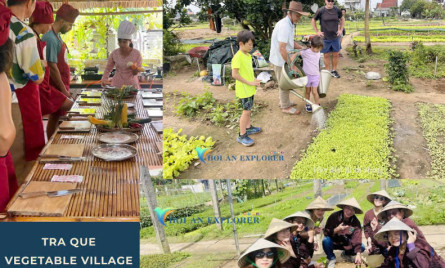
Depending on your chosen itinerary, you may also cycle through rural lanes, explore a traditional market, put on farmer’s clothing, water vegetables, prepare the soil, harvest herbs, and finally cook lunch with a local chef.
Tra Que Cooking Class Tour Itinerary
08:00 – Hotel Pick-Up and Cycling to Hoi An Market
Your experience can begin around 8:00 in the morning, with a local guide collecting you from your Hoi An hotel. For travelers who prefer an afternoon experience, some schedules begin around 14:00.
If you choose the cycling option, the journey starts with a gentle ride toward the local market. This is a wonderful opportunity to see everyday life in Hoi An beyond the tourist center.
At the market, your guide can introduce you to common Vietnamese ingredients and explain how to select fresh vegetables, herbs, seafood, meat, noodles, and spices for cooking. You’ll also see local vendors chatting with regular customers and experience the lively atmosphere that makes Vietnamese markets so fascinating.
09:00 – Explore the Local Market
Spend time discovering seasonal fruits, vegetables, herbs, spices, snacks, and other ingredients used in Vietnamese cuisine. If you enjoy photography, this is an especially colorful part of the experience.
You can also learn a little about the local art of bargaining. Even if you don’t buy anything, watching the friendly interaction between vendors and shoppers gives you a glimpse into ordinary life in Hoi An.
09:30 – Cycle to Tra Que Vegetable Village
After visiting the market, continue toward Tra Que Vegetable Village. The ride takes you away from the busy streets and into a quieter landscape of rice fields, gardens, coconut palms, and small rural roads.
When you arrive, the atmosphere changes immediately. The scent of fresh basil, mint, coriander, lemongrass, and other herbs fills the air as farmers work among the vegetable beds.
10:00 – Welcome Drink and Village Discovery
Take a short break with a refreshing local welcome drink before exploring the gardens with your guide and local farmers.
You’ll learn about the vegetables and herbs grown in Tra Que, how farmers prepare the soil, and why these fresh ingredients are so important to the distinctive flavors of Hoi An food.
10:30 – Become a Tra Que Farmer
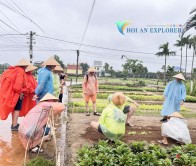
This is one of the most enjoyable parts of the experience. Put on traditional farmer-style clothing and get involved in simple agricultural activities.
You may help water the plants, prepare soil, remove weeds, or work among the herb beds using traditional farming techniques. It’s not difficult, and you certainly don’t need farming experience. The idea is to slow down, get your hands a little dirty, and understand how much care goes into producing the vegetables served on Vietnamese dining tables.
For travelers interested in rural tourism, this experience can also be combined with a Hoi An farming tour, offering an even closer look at traditional agriculture and countryside life.
11:00 – Start Your Tra Que Cooking Class
After working in the garden, return to the cooking area and meet your local chef. This is where the farm-to-table experience truly comes together.
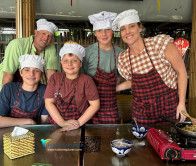
Rather than simply watching a demonstration, you’ll have the chance to prepare Vietnamese dishes yourself. Depending on the menu, you may learn to make dishes such as:
- Fresh Vietnamese spring rolls
- Traditional Vietnamese rice cakes
- Tam Huu vegetable rolls
- Fresh herb salads
- Other Hoi An-style local specialties
The chef will show you how to balance sweet, salty, sour, spicy, and fresh flavors while explaining the role of herbs and vegetables in Vietnamese cooking.
For a broader selection of hands-on culinary experiences, explore this Hoi An cooking class experience and discover how traditional recipes are prepared from fresh local ingredients.
13:00 – Enjoy Your Homemade Meal and Herbal Foot Massage
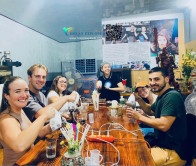
Once the cooking is finished, it’s time to sit down and enjoy what you have prepared. There is something especially satisfying about eating a Vietnamese meal when you have personally picked, prepared, and cooked some of the ingredients.
After lunch, relax with a traditional herbal foot massage using local plants. It’s a peaceful way to finish the active part of your village experience.
14:00 – Return to Your Hoi An Hotel
At the end of the tour, you can return to Hoi An by bicycle or vehicle, depending on the arrangement you selected. By the time you reach your hotel, you’ll have experienced much more than a cooking lesson—you’ll have spent several hours seeing Hoi An through the eyes of its farmers and food makers.
Why Visit Tra Que Vegetable Village?
Tra Que is more than an agricultural area. It has become one of the most interesting countryside attractions near Hoi An because it allows visitors to experience a slower, more traditional side of Vietnamese life.
The village is particularly famous for fragrant herbs such as basil, mint, coriander, perilla, and other leafy greens. These ingredients may look simple, but they play an essential role in Vietnamese cuisine.
Walking between the vegetable beds, listening to farmers work, and smelling freshly harvested herbs creates a completely different travel experience from exploring the ancient streets of Hoi An.
Where Is Tra Que Vegetable Village?
Tra Que Vegetable Village is approximately 3 km from Hoi An Ancient Town. Its convenient location makes it easy to visit by bicycle, taxi, private car, or as part of an organized cooking and farming tour.
The short journey is part of the attraction. Instead of spending the entire day indoors, you can travel through Hoi An’s countryside and watch the scenery gradually change from historic buildings to rice fields and vegetable gardens.
If you enjoy cycling, choosing a bicycle-based itinerary is highly recommended. The slower pace gives you more time to appreciate the rural landscape and take photographs along the way.
Taste the Fresh Flavors of Tra Que Vegetables
One of the biggest reasons travelers love Tra Que is the connection between the gardens and the food on the table.
Vietnamese cuisine depends heavily on fresh ingredients, especially aromatic herbs and vegetables. In Hoi An, these ingredients help create the distinctive flavors found in dishes such as Cao Lau, Mi Quang, fresh spring rolls, herb salads, and local noodle dishes.
During a cooking class, you can discover how seemingly simple ingredients are combined to create complex flavors. The chef may explain why one herb works well with a particular noodle dish, how to balance a dipping sauce, or how fresh vegetables bring brightness to richer ingredients.
It is this practical knowledge that makes a cooking class much more memorable than simply eating at a restaurant.
Tra Que Cooking Class: Learn the Secrets Behind Vietnamese Food
A good Tra Que Hoi An cooking class is designed around more than recipes. It introduces you to the philosophy behind Vietnamese food.
You’ll learn how fresh herbs are used to balance flavors, how different textures work together, and why Vietnamese meals often combine cooked ingredients with plenty of fresh vegetables.
The cooking experience may include a visit to Tra Que’s gardens and a local market. Some itineraries offer flexibility for guests who prefer to spend more time cooking rather than participating in farming activities.
Whether you are a complete beginner or already enjoy cooking at home, the class is designed to be practical and relaxed. You can ask questions, follow the chef step by step, and then enjoy your creations at the end.
Other Hoi An Culinary Experiences to Consider
Tra Que is only one way to explore the food culture of Hoi An. If you have extra time, consider adding another hands-on experience to your itinerary.
Hoi An Vegetarian Cooking Class
Travelers following a plant-based diet can explore a Hoi An Vegetarian Cooking Class. These experiences highlight fresh vegetables, herbs, tofu, mushrooms, noodles, rice, and other ingredients commonly used in Vietnamese vegetarian cuisine.
It’s an excellent option for anyone who wants to discover how flavorful Vietnamese food can be without relying on meat or seafood.
Cam Thanh Cooking Class
Another popular option is a Cam Thanh cooking class. Located among coconut forests and waterways, Cam Thanh combines cooking with a countryside atmosphere and traditional village experiences.
For first-time visitors to Hoi An, this can be a fun alternative if you want to combine food with the scenery of the Bay Mau coconut area.
Hoi An Coffee Class
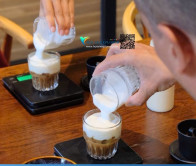
Vietnamese coffee deserves its own introduction. If you are curious about the country’s famous robusta coffee culture, consider joining a Hoi An Coffee Class.
You can discover different Vietnamese brewing styles while learning about the country’s coffee traditions. It is a particularly enjoyable experience for coffee lovers who want to take home more than a bag of beans.
Hoi An Buffalo Riding and Wet Rice Farming Tour
For an even more hands-on countryside adventure, the Hoi An Buffalo Riding – Wet Rice Tour and Cooking Class introduces visitors to traditional rice farming and rural life.
It offers a different perspective on how local communities have traditionally worked with the land, water buffalo, and rice fields around Hoi An.
Hoi An Wooden Boat Party Tour
If you want to finish your Hoi An trip with something more relaxed and social, a Hoi An Wooden Boat Party Tour offers a completely different atmosphere.
Glide along the river, enjoy the evening scenery, and watch Hoi An’s lantern-lit landscape from the water. It can be a memorable choice for birthdays, small celebrations, or a relaxed evening with friends.
Tips for Choosing the Best Tra Que Cooking Class
- Choose morning or afternoon: Morning tours are generally ideal for cooler temperatures and a lively local market atmosphere.
- Wear comfortable clothing: Farming activities can involve water and soil, so lightweight clothes and comfortable footwear are recommended.
- Bring sun protection: A hat, sunscreen, and sunglasses are useful when cycling or working outdoors.
- Tell your guide about dietary requirements: Vegetarian, vegan, or other food preferences should be communicated when booking.
- Bring a camera: The vegetable gardens, countryside roads, markets, and cooking activities offer plenty of photo opportunities.
- Try the bicycle option: Cycling gives you a closer connection to the countryside and is a great way to experience rural Hoi An.
Is a Tra Que Cooking Class Worth It?
If you want to experience Hoi An beyond the Ancient Town, a Tra Que cooking class is absolutely worth considering.
The experience combines several things that make travel memorable: meeting local people, discovering traditional agriculture, exploring fresh ingredients, learning Vietnamese recipes, and sitting down to enjoy a meal that you helped prepare.
Most importantly, you leave with more than photographs. You gain a better understanding of how food connects Hoi An’s markets, farms, kitchens, and communities.
For travelers looking for an authentic cultural experience, Tra Que offers a refreshing change of pace from the usual sightseeing itinerary. Spend a few hours among the gardens, learn from local farmers, cook with a Vietnamese chef, and discover why the simple ingredients grown around Hoi An can create such memorable flavors.
Experience Hoi An from Farm to Table
From the first bicycle ride through the countryside to the final homemade dish, a Tra Que cooking experience tells a simple but meaningful story: fresh ingredients, traditional farming, local knowledge, and Vietnamese hospitality.
Whether you choose a classic Tra Que Cooking Class, a Hoi An Cooking Class, a Cam Thanh Cooking Class, or a wider Hoi An farming tour, these experiences make it easy to connect with the local culture through food.
And when you finally sit down to taste the dishes you prepared yourself, Hoi An’s famous cuisine suddenly feels a little more personal.
YOU MAY LIKE IT
Nighttime Tra Que Cooking Class – A Magical Vietnamese Culinary Experience Under the Stars
When the sun begins to disappear behind the countryside around Hoi An, Tra Que Vegetable Village takes on a completely different atmosphere. The gardens become quieter, the air feels cooler,...