Everything You Need to Know About Hoi An Before Your Vietnam Trip
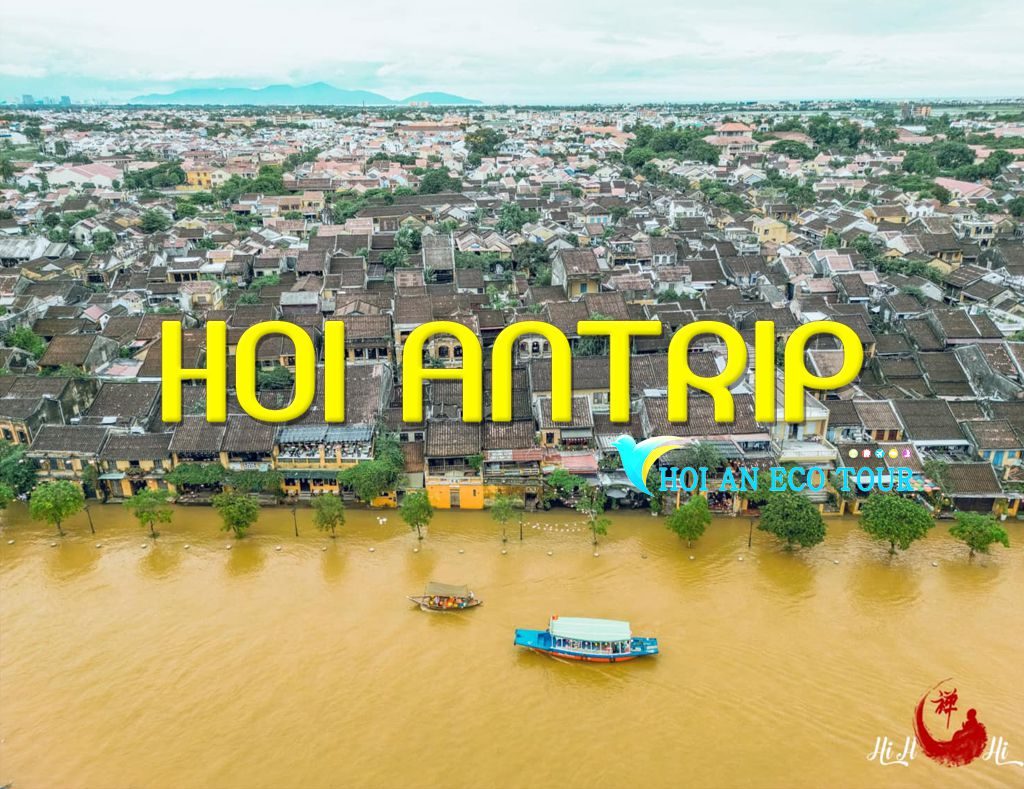
If you’re planning a trip to Central Vietnam, Hoi An deserves a place near the top of your itinerary. This charming riverside town is famous for its preserved historic architecture, colorful lanterns, peaceful streets, traditional food, nearby beaches, and welcoming local culture.
Recognized as a UNESCO World Heritage Site in 1999, Hoi An offers much more than a beautiful Ancient Town. Beyond the yellow-painted historic houses, you can cycle through vegetable gardens, paddle a basket boat through a coconut forest, explore traditional craft villages, take a cooking class, relax on the beach, or travel by speedboat to Cham Island.
Before you pack your bags, here’s a practical guide covering the most important things to know about Hoi An, Vietnam so you can plan your trip with more confidence.
Hoi An trip
Discover the Culture and History of Hoi An
One of the biggest reasons travelers fall in love with Hoi An is its fascinating cultural mix.
For centuries, Hoi An was an important international trading port. Merchants from Vietnam and overseas communities came here to trade, settle, and exchange ideas. Their influence can still be seen in the town’s architecture, religious buildings, food, and traditions.
Chinese, Japanese, Vietnamese, and European influences have blended together to create the distinctive character that makes Hoi An different from other destinations in Vietnam.
Walking through the Ancient Town, you’ll see old merchant houses, assembly halls, temples, narrow streets, and the famous Japanese Covered Bridge. At night, traditional lanterns transform the streets and riverside into one of the most atmospheric scenes in Central Vietnam.
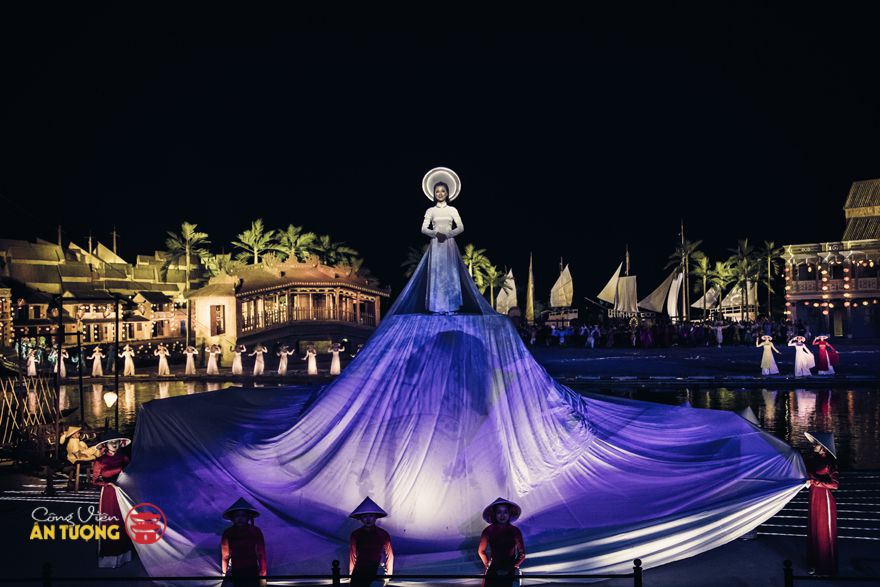
For travelers who want to understand more about the town’s history, the Hoi An Memories Show offers a large-scale cultural performance inspired by the city’s past as a major trading port.
You can also explore the city’s heritage with a Hoi An daily tour that combines historic landmarks with local cultural experiences.

Hoi An Location and Geography
Hoi An is located in Central Vietnam, in the coastal region of Quang Nam, and is conveniently connected to Da Nang.
The town sits along the Thu Bon River, while the coastline is home to several beautiful beaches. This location makes Hoi An particularly attractive for travelers who want to combine culture, countryside, and beach time in one trip.
Popular coastal destinations include:
- An Bang Beach – a favorite for swimming, relaxing, and enjoying beachside cafés.
- Cua Dai Beach – a convenient coastal escape close to Hoi An.
- Cham Island – an island destination known for clear water, beaches, coral reefs, and marine activities.
One of the advantages of staying in Hoi An is its proximity to Da Nang International Airport. Travelers can easily combine Hoi An with Da Nang, Hue, My Son Sanctuary, and other destinations in Central Vietnam.
When Is the Best Time to Visit Hoi An?
Hoi An has a tropical climate, with noticeable differences between the drier and wetter parts of the year.
For many travelers, the period from February to August is a comfortable time to explore the town and surrounding countryside. The weather is generally more suitable for outdoor activities, cycling, beach trips, and day tours.
From around September to January, rainfall becomes more frequent. Some days can be wet, windy, or affected by tropical weather.
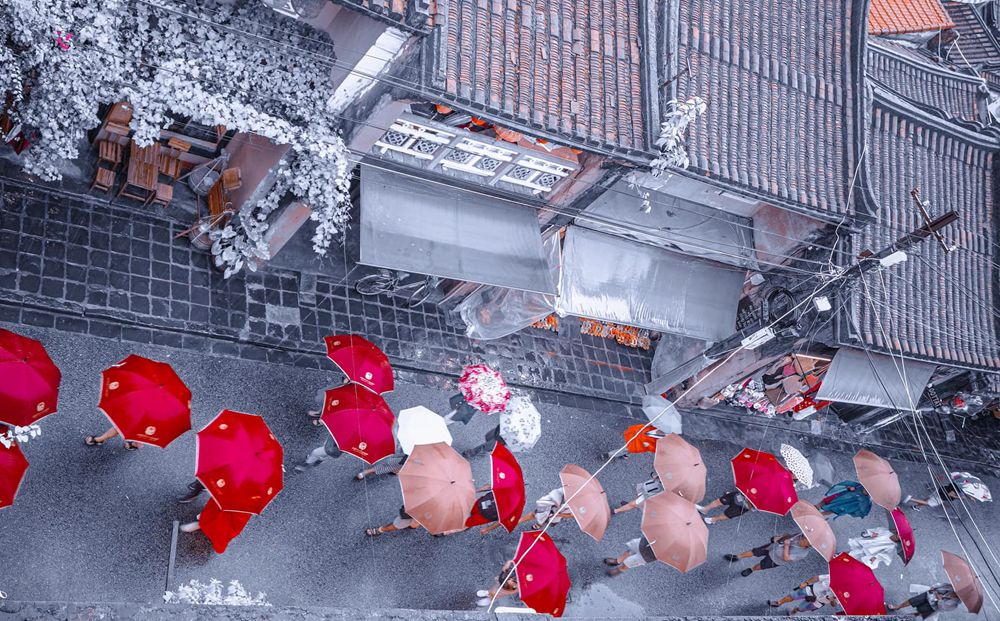
However, don’t assume rainy days mean your Hoi An itinerary has to stop.
Rainy weather can actually be a good opportunity to explore indoor cultural experiences and Hoi An classes and workshops.
You can learn to cook Vietnamese food, make traditional handicrafts, discover Vietnamese coffee culture, or join a cooking and farming experience when the weather allows.
Some popular options include a Tra Que Vegetable Village Tour, a farming experience, and a Cam Thanh Coconut Village basket boat tour.
Hoi An travel daily tours
What Food Should You Try in Hoi An?
Food is one of the best reasons to visit Hoi An.
The town’s cuisine reflects centuries of cultural exchange while maintaining a strong local identity. Many dishes are simple in appearance but rely on fresh herbs, carefully prepared noodles, flavorful sauces, and locally sourced ingredients.
Some must-try Hoi An specialties include:
- Cao Lau – a signature Hoi An noodle dish served with herbs, pork, noodles, and crispy toppings.
- Hoi An Chicken Rice – fragrant rice served with shredded chicken, herbs, and flavorful seasonings.
- Mi Quang – turmeric noodles topped with meat, shrimp, herbs, peanuts, and a small amount of rich broth.
- Banh Mi Hoi An – crispy Vietnamese baguettes filled with savory meats, pâté, herbs, vegetables, and sauces.
- Fresh seafood – particularly popular around the coastal areas near Hoi An.
- Che – Vietnamese sweet desserts made with beans, coconut, fruit, jelly, and other ingredients.
Don’t forget to explore Hoi An’s local markets, where you can find tropical fruits such as dragon fruit, mangoes, watermelon, and longan alongside fresh herbs, vegetables, seafood, and regional products.
Want to Learn How Hoi An Food Is Made?
Instead of only eating local dishes, you can learn to prepare them yourself.
A Hoi An cooking class is a fun way to discover local ingredients, traditional techniques, and the balance of flavors that defines Vietnamese cuisine.
For an especially authentic experience, consider combining cooking with a visit to Tra Que Vegetable Village or Cam Thanh Coconut Village.
Where Should You Stay in Hoi An?
Hoi An has accommodation for almost every type of traveler, from simple homestays and guesthouses to boutique hotels, villas, and luxury resorts.
Your ideal location depends on the kind of holiday you want.
Hoi An Ancient Town
Staying near the Old Town is convenient if you want to walk to restaurants, historic houses, markets, cafés, and lantern-lit streets in the evening.
Cam Chau and the Countryside
These areas are a good choice for travelers who prefer a quieter atmosphere while remaining within easy reach of the Ancient Town.
Beach Area
For a more relaxing holiday, consider staying near An Bang or Cua Dai. You can enjoy the beach during the day and travel into the Ancient Town later.
Cham Island
If you’re looking for a more adventurous island experience, spending a night on Cham Island can be memorable. Accommodation is generally based around local homestays rather than large resort properties.
Prices change according to season, location, and accommodation quality, so it’s best to compare current rates before booking rather than relying on old price lists.
Best Hoi An Tours and Experiences
There is no shortage of things to do in Hoi An. You can spend your entire trip exploring the Ancient Town, but you’ll miss some of the destination’s most interesting experiences if you don’t venture into the surrounding countryside.

https://hoianecotravel.com/hoi-an-classes-and-workshops
Take a Cham Island Tour
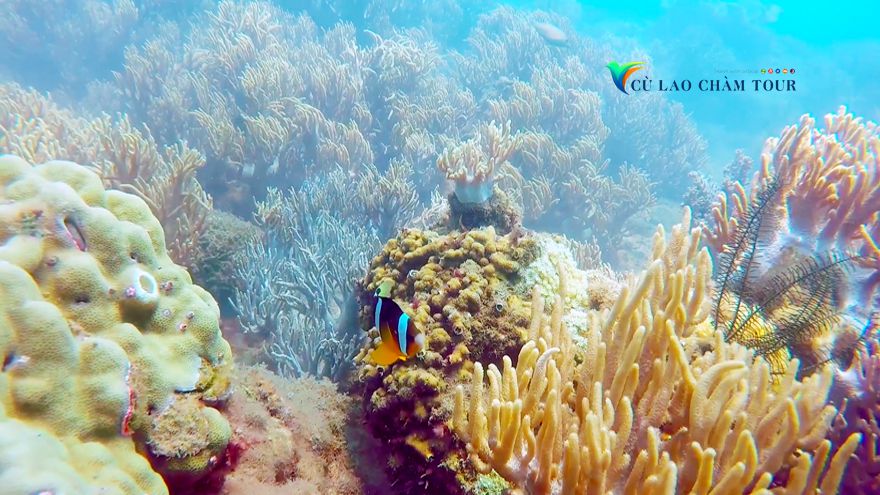
Cham Island, also known as Cu Lao Cham, is one of the most popular day trips from Hoi An.
Travelers can take a speedboat from Cua Dai and spend the day swimming, snorkeling, diving, relaxing on the beach, or exploring the island’s fishing villages.
A Cham Island tour can be a convenient option if you want transportation, sightseeing, snorkeling, and meals arranged as part of one itinerary.
For independent travelers, you can also arrange transportation separately and explore the island at your own pace.
Explore Thanh Ha Pottery Village
Thanh Ha Pottery Village is a great choice for travelers interested in traditional Vietnamese handicrafts.
The village has a long history of pottery production, and visitors can watch local artisans shape clay into bowls, vases, pots, and decorative pieces.
You may even have the opportunity to try making your own pottery. It’s a simple but enjoyable activity, especially for families traveling with children.
Visit Kim Bong Carpentry Village
Across the river from Hoi An, Kim Bong Carpentry Village is known for its traditional woodworking and carving skills.
Local artisans have preserved techniques used to create furniture, boats, sculptures, architectural details, and other wooden products.
A visit gives you a chance to see craftsmen working by hand and understand how traditional skills continue to be passed from one generation to another.
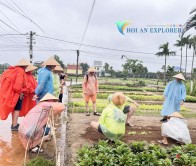
Experience Tra Que Vegetable Village
If you want to experience rural Hoi An, don’t miss Tra Que Vegetable Village.
Here, you can become a farmer for a few hours and learn how local vegetables and herbs are grown using traditional techniques.
Depending on your chosen experience, you can prepare soil, plant vegetables, water the garden, learn about local herbs, and finish with a hands-on cooking class using fresh ingredients.
It’s one of the best ways to understand the connection between Hoi An’s countryside and its famous food culture.
Ride a Basket Boat in Cam Thanh Coconut Village
A trip to Hoi An wouldn’t be complete without experiencing a traditional bamboo basket boat.
At Cam Thanh Coconut Village, visitors can paddle through the Bay Mau water coconut forest in small round boats traditionally associated with local fishing communities.
Depending on the tour, you may see fishing demonstrations, try throwing a fishing net, learn how to paddle, or watch entertaining basket boat performances.
It’s particularly popular with families and first-time visitors to Hoi An.
Make Your Own Hoi An Lantern
Lanterns are one of the most recognizable symbols of Hoi An.
After seeing thousands of them glowing throughout the Old Town at night, why not make one yourself?
A lantern-making workshop gives you the chance to learn how the frame is assembled, choose colors and fabric, and decorate your own lantern to take home.
It’s both a fun activity and a meaningful souvenir from Vietnam.
Explore Hoi An Heritage Sites
If history is your passion, allow plenty of time to explore the Ancient Town.
Important places to see include:
- Japanese Covered Bridge
- Tan Ky Old House
- Phung Hung Old House
- Hoi An Museum
- Historic Chinese Assembly Halls
- Traditional temples and pagodas
For a deeper historical experience, make time for My Son Sanctuary, an important archaeological site associated with the ancient Champa civilization.
Combining Hoi An with My Son is an excellent way to understand the wider history of Central Vietnam.

Shopping in Hoi An
Shopping is another reason travelers enjoy spending several days in Hoi An.
The town is particularly famous for its tailor shops, where visitors can order custom-made clothing using a wide range of fabrics and styles.
Depending on the tailor, garment type, fabric, and workload, some items can be completed surprisingly quickly. However, if you’re ordering a suit, dress, or several pieces, allowing extra time for fitting and alterations is always a good idea.
Beyond tailoring, popular souvenirs include:
- Handmade lanterns
- Vietnamese paintings
- Handicrafts
- Jewelry
- Traditional Vietnamese clothing
- Ceramic products
- Local coffee and food products
Entertainment: Watch the Hoi An Memories Show
After exploring the town during the day, you can spend an evening discovering Hoi An’s history through a large-scale cultural performance.
The Hoi An Memories Show presents stories inspired by the city’s history, culture, people, and trading-port heritage through music, costumes, choreography, and hundreds of performers.
The outdoor setting creates an impressive atmosphere and provides a different way to learn about Hoi An beyond museums and historic buildings.
For travelers who enjoy cultural performances, it can be a worthwhile addition to an evening itinerary.
Hoi An Travel Tips for First-Time Visitors
Explore the Old Town on Foot
The Ancient Town is best experienced slowly. Walk through the narrow streets, stop at historic houses, browse small shops, and take time to enjoy the atmosphere.
Rent a Bicycle
A bicycle is one of the easiest ways to explore the areas beyond the Old Town. You can cycle toward Tra Que, Cam Thanh, rice fields, and quieter village roads.
Plan Around the Weather
Outdoor activities such as Cham Island, cycling, farming tours, and basket boat trips are best planned with the weather forecast in mind.
Try More Than One Local Dish
Don’t stop at banh mi. Try cao lau, chicken rice, Mi Quang, local seafood, Vietnamese desserts, and fresh tropical fruit.
Book Popular Experiences Ahead
During busy travel periods, popular activities can fill quickly. Booking your preferred Hoi An tour or cooking class ahead of time can make your itinerary easier to manage.
How Many Days Do You Need in Hoi An?
For a quick introduction, 2 days in Hoi An can cover the major highlights of the Ancient Town, local food, and one countryside experience.
With 3 to 4 days, you can slow down and combine several experiences, such as:
- Hoi An Ancient Town
- Tra Que Vegetable Village
- Cam Thanh Coconut Village
- Cham Island
- Thanh Ha Pottery Village
- Kim Bong Carpentry Village
- My Son Sanctuary
- A Vietnamese cooking class
- Beach time at An Bang or Cua Dai
If you have a full week, Hoi An can become a relaxing base for exploring Da Nang, Hue, My Son, Cham Island, and other destinations throughout Central Vietnam.
A Sample Hoi An Itinerary for First-Time Visitors
Day 1 – Discover Hoi An Ancient Town
Spend the morning exploring the historic streets and traditional houses. Enjoy local specialties for lunch, then visit the Japanese Covered Bridge and old merchant houses. In the evening, return to the riverside to see Hoi An’s lanterns illuminated after dark.
Day 2 – Countryside and Cooking
Start with a cycling trip to Tra Que Vegetable Village. Join a farming activity and learn about local herbs before taking part in a Vietnamese cooking class.
In the afternoon, continue toward Cam Thanh Coconut Village for a basket boat experience.
Day 3 – Cham Island or My Son
Choose between a day by the sea at Cham Island or a cultural journey to My Son Sanctuary.
If you prefer beaches, snorkeling, and marine activities, Cham Island is the better choice. If history and archaeology interest you more, My Son offers a fascinating look into Champa heritage.
Why Hoi An Should Be on Your Vietnam Itinerary
Hoi An has a rare combination of attractions that allows travelers to experience several sides of Vietnam in one relatively compact destination.
You can explore a UNESCO-listed historic town in the morning, eat traditional Central Vietnamese food for lunch, cycle through vegetable gardens in the afternoon, relax at the beach before sunset, and watch lanterns illuminate the river in the evening.
Beyond sightseeing, Hoi An also gives you opportunities to learn, cook, create, cycle, farm, fish, shop, and interact with local communities.
That’s what makes the destination so memorable.
Final Thoughts: What to Know Before Your Hoi An Trip
Hoi An is much more than a beautiful Ancient Town. Its historic architecture and lantern-filled streets may be what first attracts travelers, but the surrounding countryside, traditional villages, beaches, food, handicrafts, and local experiences are what encourage many visitors to stay longer.
Before your Vietnam trip, make room for more than just sightseeing. Taste the local food, join a Hoi An cooking class, visit Tra Que, paddle through Cam Thanh’s coconut forest, explore traditional craft villages, and take time to enjoy the slower pace of life.
Whether you’re visiting Hoi An for two days or staying for a week, the best experiences often come when you step beyond the main tourist streets and discover the everyday life that surrounds this remarkable Vietnamese heritage town.
YOU MAY LIKE IT

Hoi An Electric Car Tour – The Easy Way to Explore Hoi An Old Town and Countryside
Hoi An may look compact on a map, but there is much more to discover beyond the lantern streets of the Ancient Town. Historic houses, riverside neighborhoods, countryside villages, vegetable...