Tra Que Flower Festival – Experience the Cau Bong Ceremony of Life and Harvest in Hoi An
Rather than being simply a colorful village festival, Cau Bong is closely connected to the lives of local farmers. It is a time when the people of Tra Que express gratitude for nature, pray for favorable weather and hope for a productive agricultural year.
For travelers visiting Hoi An, the festival offers a rare chance to see local traditions away from the Ancient Town. You can witness ceremonial processions, traditional music, farming-related activities and local dishes while discovering the close relationship between the community and the fertile land they have cultivated for generations.
See more at details: Hoi An’s Top Festivals: A Tapestry of Tradition and Magic

Hoi-An-Festivals
What Is the Tra Que Flower Festival?
The Tra Que Flower Festival is a traditional annual event held in the agricultural village of Tra Que, just outside Hoi An’s historic center. The celebration is closely associated with the Cau Bong Ceremony, a traditional ritual through which villagers pray for good weather, fertile soil, healthy crops and peace for their families.
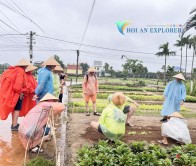
Tra Que is famous for growing fragrant herbs and vegetables used throughout Hoi An cuisine. Walking through the village, visitors will find neatly cultivated fields, rows of aromatic herbs and farmers continuing agricultural methods that have been passed down through generations.
During Cau Bong, this farming heritage becomes the heart of the celebration.
The Origins of the Cau Bong Festival in Tra Que
The history of Cau Bong is connected to the early settlers who arrived in the Quang Nam region centuries ago. They discovered fertile land that was particularly suitable for agriculture, including the cultivation of herbs and vegetables.
As the settlement developed, farming became more than a way to make a living. It became an important part of the identity of the community. The annual ceremony evolved as a way for villagers to show respect to agricultural deities and ask for protection and favorable conditions during the coming farming season.
Generations later, the tradition remains an important part of Tra Que’s cultural life. Although modern Hoi An has become a popular destination for international travelers, the village continues to maintain its connection with the land.
Why Is the Cau Bong Ceremony Important?
At its heart, the Cau Bong Festival is a celebration of gratitude, hope and community.
Farmers depend heavily on the natural environment. Rainfall, sunshine, soil conditions and seasonal changes can all influence the success of a crop. The ceremony therefore represents a collective wish for favorable weather and a plentiful harvest.
Families also pray for health, happiness and prosperity in the year ahead. At the same time, the festival honors the farmers whose daily work keeps Tra Que’s fields productive and supplies fresh ingredients to households and restaurants throughout Hoi An.
For visitors, this makes the festival particularly interesting because it is not simply a performance created for tourists. It reflects the community’s continuing relationship with agriculture and traditional beliefs.
What Happens During the Tra Que Cau Bong Festival?
The celebration typically brings together ceremonial traditions, community activities and lively entertainment. The exact program can vary from year to year, but several elements help create the distinctive atmosphere of Cau Bong.
A Colorful Village Procession
The festival atmosphere begins with a ceremonial procession through the village. Colorful flags, traditional decorations, music and villagers dressed in festive clothing create a lively scene among the green vegetable fields.
The procession is an important communal moment, bringing residents together before the main ceremonies begin.
Offerings and Prayers
Traditional offerings are prepared for the ceremony, and villagers gather to express their gratitude and make prayers for the new agricultural year.
The ritual reflects the traditional belief that successful farming depends not only on human effort but also on harmony with nature and favorable conditions.
Traditional Music and Festive Activities
Music and community performances add energy to the celebration. Visitors may see villagers participating in traditional activities while enjoying the festive atmosphere surrounding the ceremony.
For photographers, the combination of colorful costumes, flags, agricultural landscapes and ceremonial moments provides plenty of opportunities for authentic Hoi An cultural photography.
Farming Competitions
One of the entertaining aspects of the festival is the agricultural competition. Activities can include demonstrations or contests related to traditional farming skills, such as hoeing.
These activities are more than entertainment. They highlight the practical knowledge and physical effort that farmers have relied upon for generations.
Traditional Cooking Competitions
Food also plays an important role in the festival. Traditional cooking activities allow local participants to demonstrate their culinary skills while celebrating ingredients grown in the village.
For travelers interested in Vietnamese cuisine, this is one of the most enjoyable parts of the celebration.
Taste the Flavors of Tra Que During Cau Bong
One of the best ways to understand Tra Que is through its food. The village is well known for its herbs and vegetables, many of which appear in dishes served throughout Hoi An.
During the Cau Bong celebration, visitors may have the opportunity to discover traditional local dishes prepared for guests and community gatherings.
Try Tôm Hữu, a Tra Que Specialty
One dish associated with Tra Que’s culinary tradition is Tôm Hữu, a colorful preparation featuring shrimp, boiled pork belly, fresh basil, green onions and local herbs.
The dish is not only about flavor. Its arrangement and presentation are considered an important part of the preparation, turning a simple combination of local ingredients into an attractive centerpiece for a festive meal.
During cooking competitions, presentation can be just as important as taste. This makes Tôm Hữu an interesting example of how food, farming and community traditions come together in Tra Que.
How Visitors Can Experience the Tra Que Flower Festival
If your Hoi An itinerary coincides with the festival, arrive early and allow plenty of time to explore the village before and during the ceremony.
Tra Que is relatively compact, so walking or cycling around the surrounding countryside can make the visit more enjoyable. Take time to look at the vegetable plots, observe farmers working and appreciate the quiet rural atmosphere beyond Hoi An’s busy tourist areas.
Dress Respectfully
Cau Bong has religious and cultural significance for the local community. Visitors should dress modestly and respectfully, particularly when entering ceremonial areas.
If you would like to make the experience more immersive, wearing a traditional Vietnamese ao dai can also make for beautiful photographs. Just remember that comfort is important if you plan to walk around the village.
Arrive Early
Coming early gives you a better opportunity to observe the preparations before the main ceremony begins. It also allows you to find a suitable viewing position without rushing.
Ask Before Photographing Rituals
Photography is a wonderful way to remember the festival, but visitors should remain sensitive when photographing religious or ceremonial moments. When in doubt, ask your guide or a local organizer before taking close-up photographs.
Combine the Festival With a Hoi An Cooking Experience
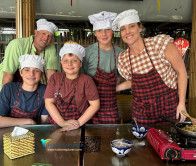
Tra Que’s agricultural heritage naturally connects with Hoi An’s food culture. If you are interested in learning how local vegetables and herbs are transformed into Vietnamese dishes, consider adding a Hoi An cooking class to your itinerary.
For food lovers, a cooking experience provides more context for what you see in the fields. Instead of simply tasting a Vietnamese dish at a restaurant, you can learn about the ingredients and traditional preparation methods yourself.
Explore Tra Que Through a Cooking Class
A Tra Que cooking class is particularly suitable for visitors who want to connect farming with cuisine. Fresh herbs and vegetables are central to many dishes in Hoi An, and seeing where those ingredients come from adds another layer to the culinary experience.
Discover Hoi An’s Countryside
You can also combine your visit with a Hoi An farming tour. These experiences offer a closer look at rural life and traditional agricultural activities around the city.
Try a Buffalo and Rice-Farming Experience
For families and travelers looking for something more hands-on, a Hoi An Buffalo Riding – Wet Rice Tour and Cooking Class offers another perspective on the farming culture of Central Vietnam.
More Hoi An Experiences to Add to Your Trip
The Cau Bong Festival can be part of a wider Hoi An travel itinerary. After exploring Tra Que, you can continue to other local experiences depending on your interests.
- Cam Thanh Coconut Basket Boat – Discover the waterways and coconut palm landscape around Cam Thanh.
- Hoi An Cham Island Tours – Escape to the coast for island scenery, swimming and marine activities.
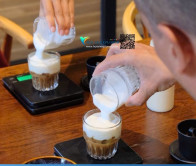
- Hoi An Coffee Class – Learn more about Vietnamese coffee and its distinctive preparation techniques.
- Hoi An Tours – Explore more cultural, culinary and countryside experiences around Hoi An.
Why the Tra Que Flower Festival Is Worth Experiencing
Hoi An is famous for its lanterns, yellow-walled houses and Ancient Town, but the city’s cultural identity extends far beyond its historic center. Tra Que offers a glimpse into a slower, agricultural side of the destination.
The Cau Bong Ceremony brings this rural heritage to life. It celebrates farmers, honors traditional beliefs and expresses a collective hope for another successful year of cultivation.
For visitors, the festival provides something that ordinary sightseeing cannot always offer: a chance to observe a local tradition within the community that has maintained it.
Tips for Visiting Tra Que During the Festival
- Check the festival date: The celebration follows the traditional lunar calendar, so confirm the annual schedule before planning your trip.
- Go early: Arriving ahead of the main ceremony allows you to see preparations and avoid the busiest moments.
- Dress appropriately: Choose comfortable, respectful clothing suitable for a traditional community event.
- Bring water: The countryside can become warm, especially during the daytime.
- Wear comfortable footwear: You may spend several hours walking between village and agricultural areas.
- Respect local customs: Remember that Cau Bong is an important cultural and spiritual event for residents.
- Try local food: Look for traditional dishes featuring fresh Tra Que herbs and vegetables.
- Combine experiences: Add a cooking class, farming tour or Cam Thanh excursion to make better use of your day.
Tra Que Flower Festival: A Celebration That Connects People, Food and Land
The Tra Que Flower Festival and Cau Bong Ceremony is much more than a colorful event on the Hoi An tourism calendar. It represents the relationship between the people of Tra Que and the land that has supported their community for generations.
Through prayers for good weather, hopes for abundant harvests, traditional farming competitions, local cuisine and communal celebrations, Cau Bong keeps an important part of Hoi An’s rural heritage alive.
If you are planning a trip to Hoi An during the festival period, make time to leave the Ancient Town behind and visit Tra Que. Walk through the vegetable gardens, taste local herbs, watch the ceremonies and, if possible, join a cooking or farming experience.
You may arrive expecting a flower festival, but you will discover something deeper: a celebration of farmers, food, family, nature and the enduring spirit of Hoi An’s countryside.
See more details >>> about Hoi An daily tours