Hoi An Specialties – 12 Must-Try Foods for an Unforgettable Culinary Journey
Hoi An is famous for its lantern-lit streets, old yellow houses and riverside charm, but there is another reason travelers fall in love with this UNESCO World Heritage destination: the food.
Hoi An specialties reflect the history and character of Central Vietnam. Some dishes are simple street foods enjoyed by local families, while others have been carefully prepared by generations of cooks. From chewy noodles and fragrant herbs to fresh seafood and colorful sweet soups, eating your way through Hoi An can be one of the most memorable parts of your trip.
Whether you are visiting Hoi An Ancient Town for the first time or staying for several days, make time to explore the local food scene. Here are some of the best Hoi An foods you should try during your visit.
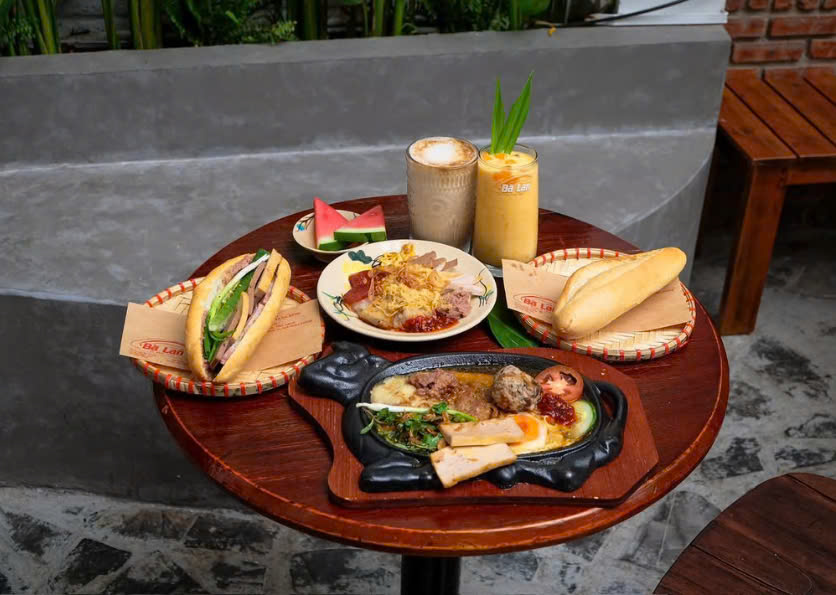
See more details >>> Hoi An Specialty Beyond the Cooking Class
Cao Lau Hoi An
If you only have time to try one famous Hoi An dish, make it Cao Lau.
This iconic noodle dish is strongly associated with Hoi An and has a character that is difficult to confuse with ordinary Vietnamese noodle soups. Thick, chewy noodles are combined with slices of pork, crispy pieces of fried noodle or rice crackers, fresh herbs and a small amount of savory sauce or broth.
The combination of textures is what makes Cao Lau so enjoyable. You get chewy noodles, tender pork, crunchy toppings and fresh herbs in the same bowl.
Discover more about Cao Lau Hoi An and learn why this dish has become one of the city’s culinary signatures.
If your itinerary includes the Cham Islands, you may also find Cao Lau and other Central Vietnamese dishes available there. Check out Cham Island for more ideas.
Mi Quang Hoi An
Another Central Vietnamese favorite is Mi Quang.
Unlike a typical noodle soup with plenty of liquid, Mi Quang is usually served with a small amount of intensely flavored broth. Wide rice noodles are topped with ingredients such as shrimp, pork, chicken, herbs, peanuts and crispy rice crackers.
The bright yellow noodles and turmeric-infused broth give the dish its distinctive appearance. Fresh herbs and vegetables add freshness, while peanuts and crispy toppings bring extra texture.
For a deeper look at this regional specialty, read our guide to Mi Quang Hoi An.

Mi Quang combines wide rice noodles, herbs, toppings and a flavorful Central Vietnamese broth.
Hoi An Banh Mi
Banh Mi Hoi An is proof that great street food does not have to be complicated.
A crisp Vietnamese baguette is sliced open and filled with a combination of savory ingredients, which may include grilled meat, pate, Vietnamese cold cuts, pickled vegetables, cucumber, herbs, chili and homemade sauces.
The contrast between the crunchy baguette and soft, flavorful fillings makes it an ideal quick meal while exploring the Ancient Town.
Want to know more about this famous street food? Read Banh Mi Hoi An: A Flavorful Bite of Vietnamese Street Food.
White Rose Dumplings
Elegant and delicate, White Rose dumplings, locally known as banh bao banh vac, are among the most recognizable foods in Hoi An.
These small steamed dumplings are carefully shaped to resemble flower petals. Traditionally filled with seasoned shrimp, they are served with a light dipping sauce and crispy fried shallots.
The dumplings are not only delicious but also demonstrate the careful handwork behind traditional Hoi An cuisine.
Learn more about this specialty in our guide to Hoi An’s White Rose Dumplings.
Hoi An Chicken Rice
Com Ga Hoi An, or Hoi An chicken rice, is another dish that should be on your food itinerary.
At first glance, it may look simple: fragrant rice served with shredded chicken, herbs, onion and fresh vegetables. But the flavor comes from the careful preparation of the rice and chicken, creating a dish that is both satisfying and surprisingly delicate.
It is a particularly good choice if you want something flavorful without a heavy soup or rich sauce.
Discover the story and flavors behind Hoi An Chicken Rice.
Fresh Seafood in Hoi An
With the coast just a short distance from the Ancient Town, it is no surprise that Hoi An seafood is popular with both locals and visitors.
Head toward An Bang Beach or Cua Dai Beach when you want to enjoy seafood in a more relaxed coastal setting. Depending on the season and restaurant, you may find grilled fish, prawns, squid, crab, clams and other fresh catches.
One of the pleasures of eating seafood in Hoi An is choosing a meal that fits the moment. A casual seafood lunch beside the beach feels very different from a dinner in the Ancient Town, but both can be memorable.
Explore more recommendations in our guide to Hoi An seafood.
Hoi An Vegetarian Food
Travelers looking for plant-based meals will also find plenty of vegetarian food in Hoi An.
Local restaurants offer vegetarian versions of noodles, rice dishes, spring rolls, soups and other Vietnamese favorites. Fresh vegetables and herbs are especially important in Central Vietnamese cuisine, making it relatively easy to find flavorful meat-free meals.
If you are interested in Vietnamese food beyond simply eating it, consider joining a Hoi An vegetarian cooking class and learn how local plant-based dishes are prepared.
Hoi An Sweet Soups – Che
After working your way through savory dishes, save some room for dessert.
Che, the Vietnamese family of sweet soups and puddings, comes in countless combinations of beans, corn, coconut milk, tapioca, sticky rice and fruit.
Hoi An’s warm climate makes these desserts particularly enjoyable, whether you choose a chilled version during the afternoon or a warm bowl in the evening.
Che Bap – Hoi An Corn Sweet Soup
Che Bap is made with tender sweet corn and a lightly sweetened coconut-based mixture. It is creamy, fragrant and comforting without being overwhelmingly heavy.
Read more about Hoi An Che Bap.
Che Dau Xanh – Mung Bean Sweet Soup
This dessert combines cooked mung beans with sweetness and often coconut milk or other toppings. Its smooth texture makes it an easy favorite for travelers trying Vietnamese desserts for the first time.
Discover Hoi An Green Bean Sweet Soup.
Che Troi Nuoc
Che Troi Nuoc consists of soft glutinous rice balls served in a sweet syrup. Depending on the recipe, the dumplings can contain fillings such as mung bean paste or other sweet ingredients.
The chewy texture of the rice balls combined with warm syrup makes this a comforting Vietnamese dessert.
Banh Cam
Banh Cam is a traditional Vietnamese sesame rice ball made from glutinous rice flour and usually filled with sweet mung bean paste. It is deep-fried until golden and crispy on the outside.
It makes a delicious small snack when you want something sweet while exploring the streets.
Fresh Tropical Fruit
Vietnam’s tropical climate provides an abundance of fresh fruit. Depending on the season, look for mango, dragon fruit, watermelon, rambutan, lychee and other locally available varieties.
A plate of chilled tropical fruit can be the perfect refreshment after walking around Hoi An on a hot afternoon.
Hoi An Street Food You Should Not Miss
Beyond the famous dishes above, Hoi An’s street food scene offers plenty of smaller bites worth discovering.
Look for local snacks, grilled foods, rice cakes and seasonal treats around markets and busy food streets. Some dishes may only be available at certain times of day, which makes exploring without a strict plan part of the fun.
If you see a small local stall filled with Vietnamese customers, it can be worth stopping to see what everyone is eating. Of course, use your own judgment about food hygiene and choose vendors that appear clean and busy.
Learn to Cook Hoi An Specialties
Eating local food is wonderful, but learning how to prepare it gives you a completely different connection with Vietnamese cuisine.
A Hoi An cooking class can introduce you to local ingredients, herbs, sauces and traditional preparation techniques.
Depending on the program, you may visit a market, collect fresh vegetables, learn about Vietnamese herbs and then prepare several dishes under the guidance of a local cook.
For travelers who want to explore the countryside as well as the cuisine, a cooking class in the Hoi An area can be an excellent way to combine food and culture.
Where to Find the Best Hoi An Specialties
Hoi An Central Market
Hoi An Market is one of the best places to begin your food adventure. The market is packed with fresh ingredients, herbs, fruit, seafood, snacks and prepared dishes.
It can be busy, colorful and slightly chaotic, but that is exactly what makes it interesting. Walk slowly and take time to observe how locals shop for ingredients and meals.
The Streets of Hoi An Ancient Town
Many restaurants, food stalls and small cafés are located throughout the Ancient Town. Exploring on foot allows you to combine sightseeing with spontaneous food stops.
An Bang and Cua Dai Beaches
If seafood is your priority, head toward the coast. Beachside restaurants provide a relaxed setting for grilled seafood, prawns, squid and other local catches.
How to Turn Food Into a Hoi An Experience
Instead of making a checklist of dishes and rushing from one restaurant to another, try spreading your food adventure across the day.
- Morning: Start with Hoi An chicken rice, noodles or a local breakfast.
- Late morning: Walk through Hoi An Market and discover fresh herbs and local ingredients.
- Lunch: Try Cao Lau or Mi Quang.
- Afternoon: Cool down with Che or tropical fruit.
- Evening: Explore street food and enjoy seafood near the beach or a local restaurant.
This relaxed approach lets you experience not only the flavors but also the daily rhythm of Hoi An.
Why Hoi An Food Tastes So Different
One of the most interesting things about Hoi An cuisine is the way local food reflects the town’s history.
Hoi An was historically an important trading port, bringing different cultures and ingredients into contact. At the same time, the surrounding countryside provided rice, vegetables, herbs and other fresh produce.
The result is a cuisine that often balances savory, sweet, salty, sour and spicy flavors while making generous use of fresh herbs and vegetables.
Many dishes also have a strong connection with the local environment. Ingredients from the river, coast, gardens and nearby farming communities all contribute to the distinctive food culture of the area.
Final Thoughts: Eat Your Way Through Hoi An
A trip to Hoi An is not complete without discovering its food.
Start with the city’s iconic dishes: Cao Lau, Mi Quang, Banh Mi Hoi An, White Rose dumplings and Com Ga. Then explore the seafood, vegetarian dishes, street snacks, sweet soups and tropical fruit that make the local culinary scene so diverse.
And if you want to take the experience home with you, join a Hoi An cooking class and learn how to recreate some of your favorite Vietnamese dishes after your holiday.
For travelers, food is often more than something to eat. It is a way to understand a destination. In Hoi An, every bowl of noodles, plate of dumplings and handful of fresh herbs tells a small part of the town’s story.
So bring your appetite, walk beyond the famous landmarks and let the flavors of Hoi An specialties become one of the best memories of your Vietnam journey.
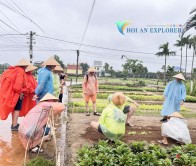
YOU MAY LIKE IT
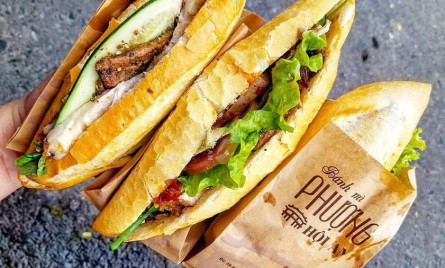
Banh Mi Hoi An – Where to Find the Best Vietnamese Sandwich
Freshly baked bread, savory meat, fragrant herbs, crunchy vegetables, pâté, and a flavorful house-made sauce come together inside one small baguette. It is simple, affordable, filling,...